
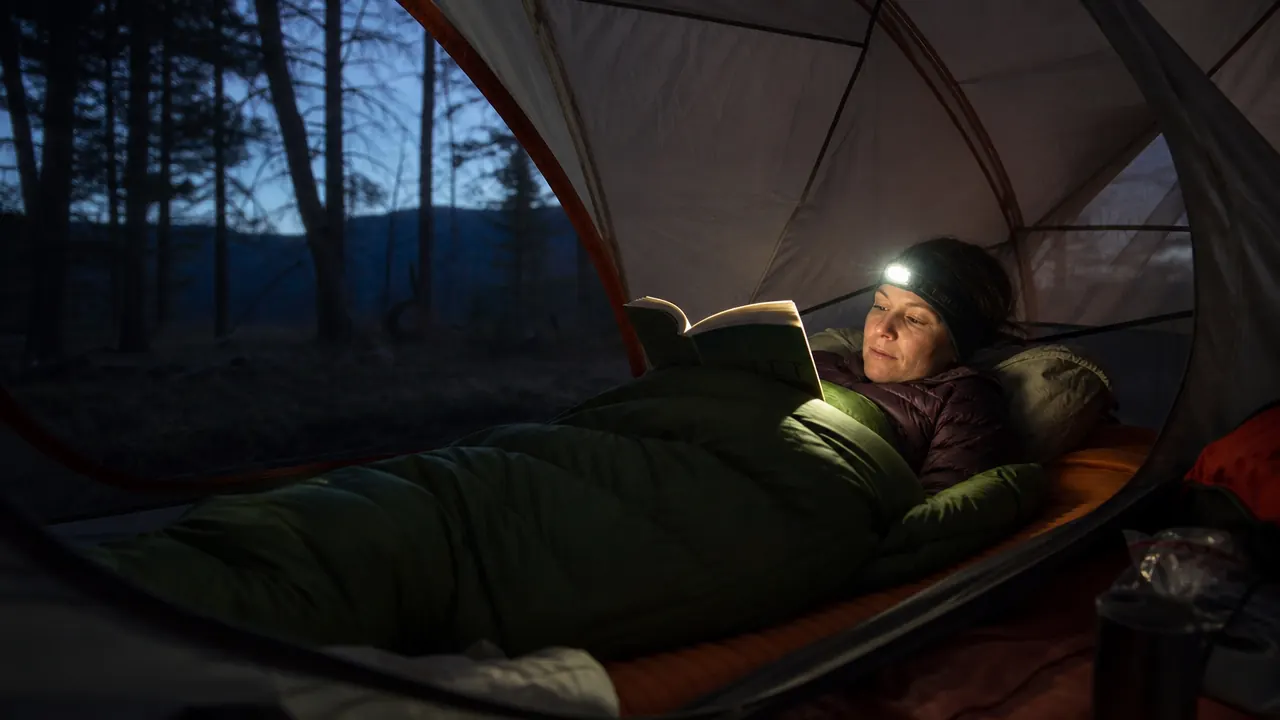
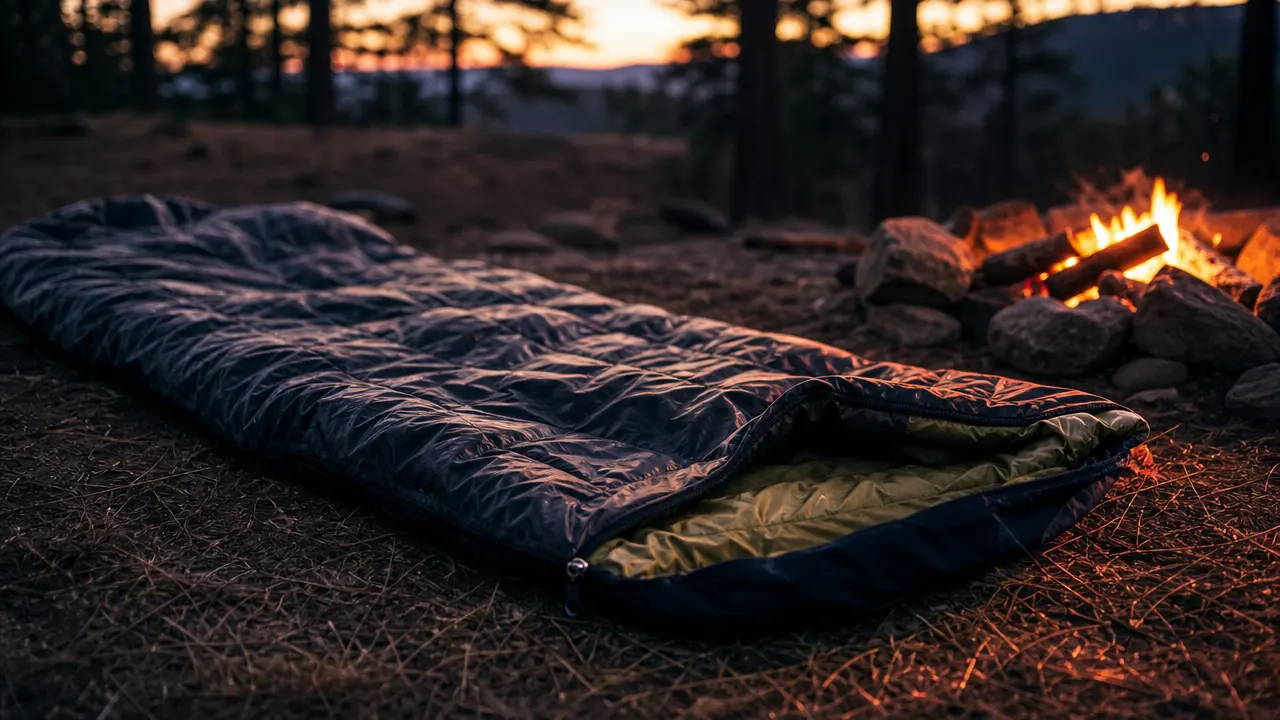
My wife and I camped in the Smokies last April and the overnight low was 38 degrees. I was in my old fleece-lined summer bag, which is rated for 50 degrees if you believe the tag, and I woke up at 2am pulling my jacket over the bag like a blanket. That was the trip that pushed me to finally buy a three-season bag. I found the oaskys sleeping bag, ASIN B082CZLZBY, rated for 35 degrees, listed affordably on Amazon. I bought two of them. Over the following six months I used mine across 18 nights of camping, from a warm May weekend at Lake Lanier down to a cold October trip in the Blue Ridge where the temp hit 39 by morning. What I found is a bag that earns its rating most of the time, has one real weak point you need to know about, and is genuinely one of the best purchases I've made for the money in years of camping.
The Quick Verdict
A legitimate 35-degree three-season bag at a budget price. The zipper is the one part that needs babying.
Amazon Check Today's Price →Still waking up cold in a summer bag? This one actually hits its rating.
The oaskys three-season bag is rated to 35 degrees and, in my 18 nights of use from April through October, it has been honest about that number. Check today's price on Amazon before it changes.
Amazon Check Today's Price on Amazon →How I've Used It
I've put this bag through six separate camping trips between April and October of last year. Sites ranged from a fully developed campground with hot showers in Georgia to a dispersed site in the Nantahala National Forest with no facilities and a lot of ambient cold coming off the creek. Lowest overnight temp I personally recorded was 39 degrees Fahrenheit on the October trip. Warmest was about 68 degrees on a July night in the Piedmont. Total nights in the bag: 18. My wife used an identical unit on most of the same trips, which gives me two data points to compare.
I'm 5'11" and 185 lbs. The bag fits me with about four inches to spare at the foot box when the mummy hood is pulled up around my face. My wife is 5'6" and has the opposite problem, too much dead air at the feet on cold nights, which I'll get into later because it matters for how the bag performs at the low end of its rating.
For testing methodology: I slept in base layers only when temps were above 50 degrees, added a wool midlayer when temps dropped to the 40s, and noted comfort on a simple scale each morning. I also tested pack size, actual weight on a kitchen scale, and zipper behavior after the full six-month run.
Warmth: Where the 35-Degree Rating Is Honest
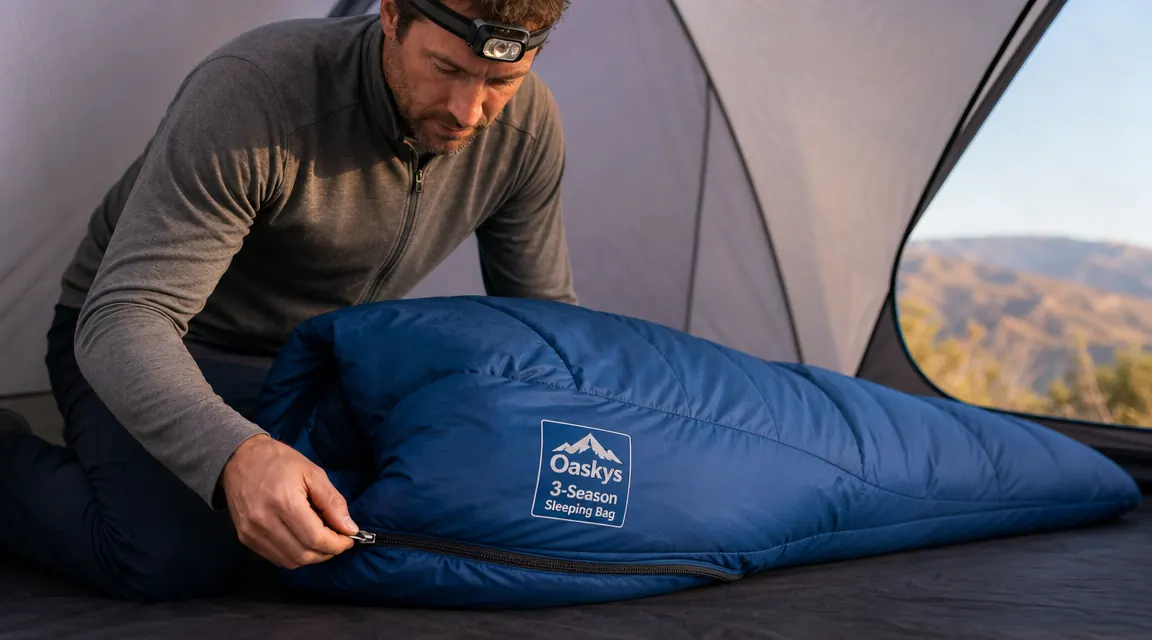
The oaskys bag is filled with hollow-fiber polyester insulation, not down. The loft I measured was about 2.5 inches when the bag was shaken out and left flat for 30 minutes. That is reasonable for a budget synthetic fill. The shell fabric is a 210T polyester that feels smooth and does not scratch your face when the hood is cinched up, which is a small thing but I notice it at 4am.
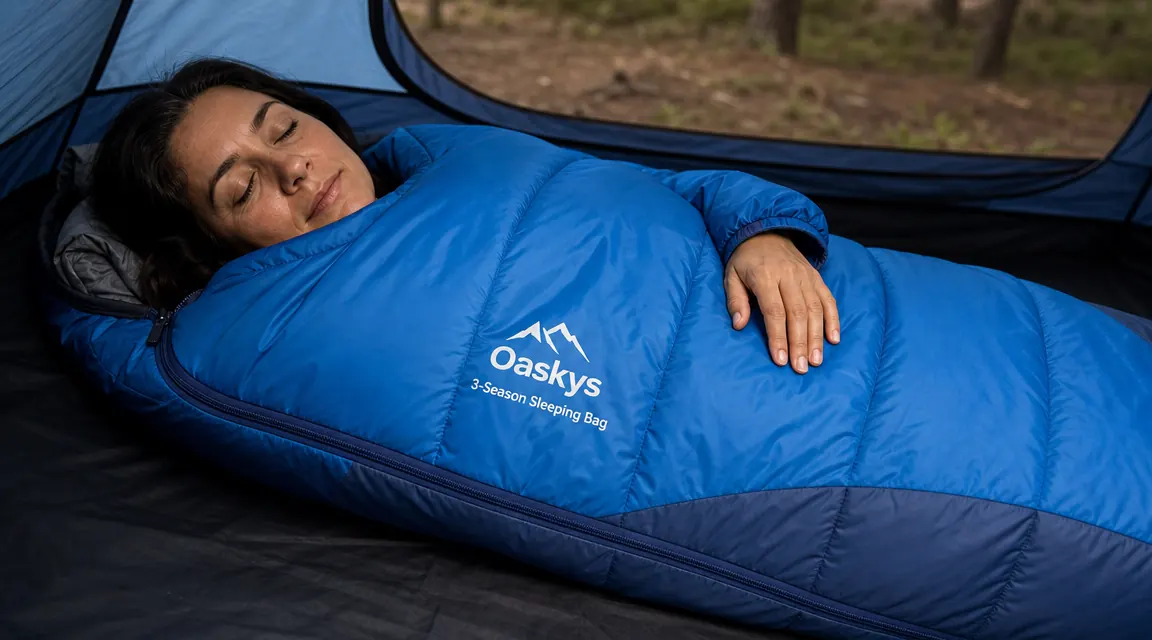
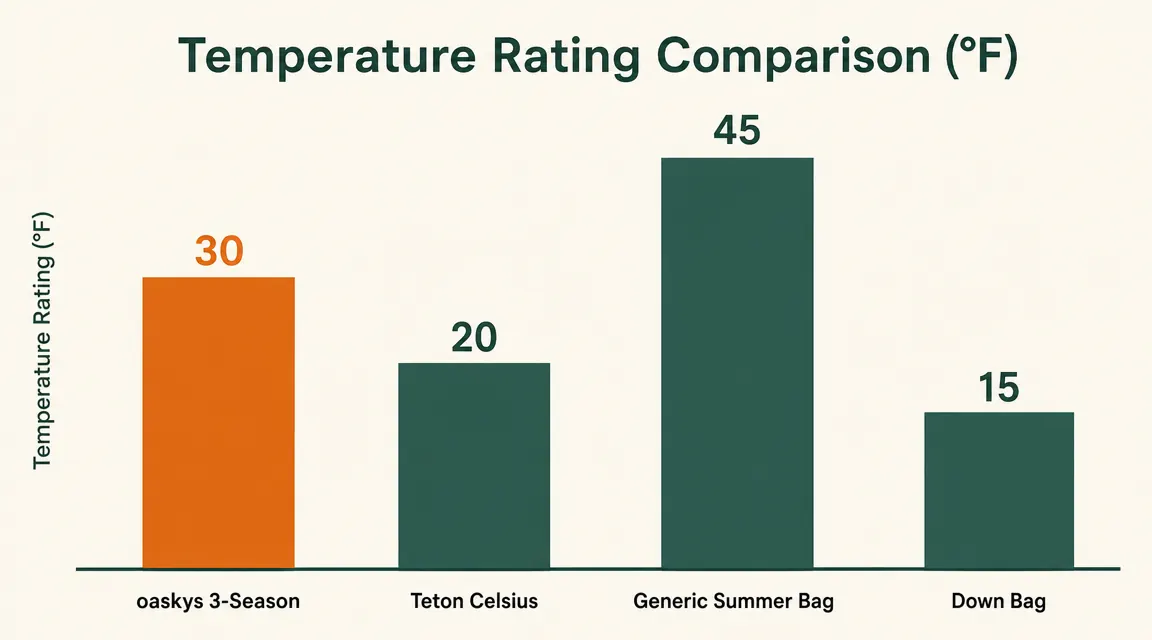
At 45 degrees, in wool base layers, I slept comfortably without any extra heat management. At 39 degrees on the October trip, I was warm enough but not what I'd call comfortable. I woke once and pulled the hood tighter and went back to sleep. That is about what a 35-degree rated bag should do: keep you alive and functional at 35, but the comfort floor is closer to 40 for most sleepers. I have used bags rated to 20 degrees that felt warmer at 39, but they cost six times as much. For the price, the oaskys is honest.
My wife ran colder than I did, as she almost always does. At 45 degrees she was comfortable but wore her fleece pullover inside the bag. At 39 degrees she added wool socks and a knit cap over her base layers and still described the experience as 'just barely okay.' If you run cold, treat this as a 40-degree bag and plan your layering accordingly. That is not a knock on the bag. Nearly every sleeping bag's comfort rating assumes a temperate sleeper. Know yourself.
At 39 degrees I was warm enough but not comfortable. That is exactly what a 35-degree rated bag should do. For the price, oaskys is being honest.
Zipper: The One Honest Problem
The zipper on the oaskys bag is a #5 coil zipper with a rubberized pull tab. After two months of use, the pull tab on my bag started slipping out of my grip when unzipping from the foot end. It does not catch or jam the way a cheap dress-zipper fails. It just requires more deliberate handling than a quality YKK zipper on a premium bag. By month four I had developed a technique: hold the zipper track taut with my left hand while pulling with my right, and it works every time. That should not be necessary on a bag you are operating at 2am in the dark, but it is manageable.
My wife's bag developed a mild snag point at the mid-thigh on her left side, around the third month. It clears if you wiggle the slider slightly toward the teeth before continuing. This is a common failure point on coil zippers and it did not get worse through October. No teeth separated, no structural failure. But if you camp often, plan to baby this zipper. Grip it low, not high, and do not yank.
Pack Size and Weight
The included stuff sack is a drawstring closure with no compression straps. Stuffed without any technique, my bag filled the sack to a cylinder about 12 inches long by 7 inches in diameter. That is roughly the size of a two-liter bottle. Stuffed with a systematic push-and-rotate method, I got it down to about 10 inches by 6 inches. Still not a backpacking-grade compression. This is not a bag I would carry more than two miles on foot. For car camping it is fine. It fits in the outer pocket of my 75-liter duffel with room left for my pillow.
Actual weight on my kitchen scale: 2 lbs 7 oz. The Amazon listing says 2.5 lbs. My unit was slightly heavier, within normal manufacturing variance. For car camping that weight is irrelevant. For backpacking you would want a down bag that packs to a Nalgene-size and weighs under 24 oz. The oaskys is not trying to be that and is priced accordingly.
Waterproofing and Moisture Management
The shell claims water resistance. On the July trip I left the bag partially exposed when a brief afternoon thunderstorm rolled through. The surface beaded water for about the first minute, then started wicking through. The fill took on some moisture and required about three hours of airing out in the sun to fully dry. I would not call this bag waterproof in any meaningful sense. It is splash-resistant on brief contact. The standard advice applies: keep it dry with a tent footprint, a ground cloth, and a quality rain fly. Do not rely on the bag's shell if your tent leaks.
The synthetic fill dries faster than down, which is a genuine advantage in camp. I've had down bags that took a full day to recover from moisture exposure. The oaskys was back to full loft in about two to three hours in mild sun. That is worth noting if you camp in the Southeast where afternoon rain is common.
Fit and Hood Design
The mummy shape is tapered but not aggressive. Shoulder width is generous, which I appreciated since I have a 44-inch chest and many mummy bags make me feel like a burrito that is being over-rolled. The foot box has enough room to wiggle toes without feeling like a sock. The hood cinch drawstring has a cord-lock stopper that holds position well and does not loosen on its own during the night, which is a specific complaint I have about two other budget bags I've owned.
One design detail I noticed: the interior liner has a small zip pocket near the left shoulder seam for your phone or wallet. It is about 6 inches wide and fits a standard phone. I have used it. It is useful. Small thing, but it shows someone thought about this bag as a camping product rather than just a piece of fill fabric.
What I Liked
- Honest warmth down to about 40 degrees in base layers; rated floor is 35 and it is close to accurate
- Synthetic fill dries in two to three hours, meaningfully faster than down in camp conditions
- Generous shoulder width fits a 44-inch chest without the burrito squeeze
- Hood cinch cord-lock holds position through the night
- Packs to roughly a two-liter bottle, manageable for car camping
- Small interior shoulder pocket fits a phone and wallet
- Budget-friendly for two people or a backup bag makes it a practical buy
Where It Falls Short
- Zipper requires deliberate technique by month three or four; not suitable for half-asleep fumbling
- Shell water resistance is minimal, splash-only; do not rely on it if your tent leaks
- Packed size is car-camping grade, not backpacking grade; too bulky for a multi-day pack
- Cold sleepers should treat this as a 40-degree bag, not a 35-degree bag, and plan layering ahead
- Stuff sack uses a drawstring, not a compression closure; takes more effort to get a tight roll
Who This Is For
The oaskys is the right bag if you are a car camper doing weekend trips from April through October in the continental US, you run neutral or warm, and you do not want to spend much to get a decent three-season bag. It is also a strong buy if you need a second bag for a camping partner, a backup for the truck in case your main bag gets left at home, or a guest bag when a friend joins a trip without gear. I bought two and keep one permanently packed in my camping bin without worrying much about it.
Who Should Skip It
If you run cold, camp in the shoulder seasons where temps dip below 35, or regularly camp in the mountains where overnight lows can surprise you, this bag will leave you cold or scrambling for layers. Spend more and get a bag rated to 15 or 20 degrees with quality insulation. If you are backpacking more than two miles from the car, the packed size and weight penalty of a synthetic fill bag will frustrate you after the first few miles. A quality 20-degree down bag in a 1-liter compression sack costs more but earns it. And if zipper reliability matters to you in a clinical way, the oaskys zipper is not a premium zipper and should not be treated as one.
18 nights from April to October. I'd buy it again.
The oaskys three-season bag does what it says, holds up for a full camping season, and costs less than a tank of gas. If you are a car camper looking for a legitimate 40-degree bag without the premium price tag, check today's price and see if it makes sense for your setup.
Amazon Check Today's Price on Amazon →